High precision
A focused beam supports accurate weld placement and fine seams.

02 / OUR TECHNOLOGY
Precision laser welding technology for metal joining.
TECHNOLOGY
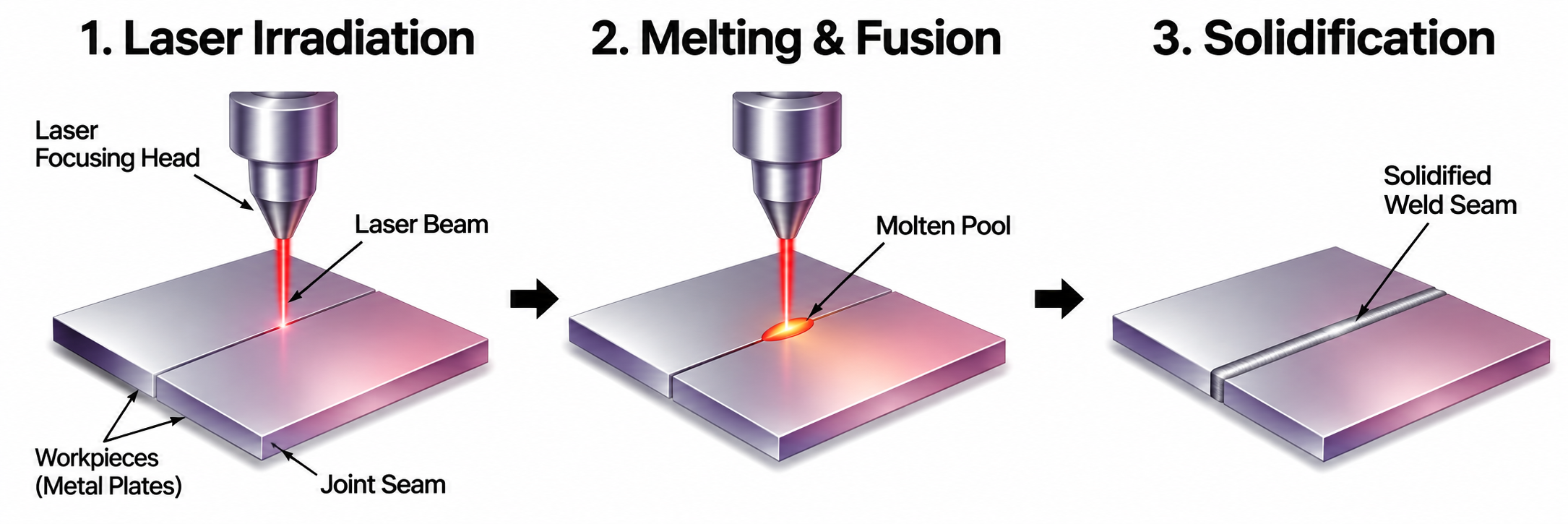
Laser welding concentrates light energy at the joint. The material melts locally, then cools and solidifies to form the weld.
Localised heating helps control the heat-affected zone. Results depend on the material, joint preparation and process settings.
PROCESS CHARACTERISTICS
A focused beam supports accurate weld placement and fine seams.
Concentrated heating can limit distortion in surrounding material.
Controlled parameters support repeatable weld formation.
High travel speeds and automation compatibility can improve throughput.
APPLICATION EXAMPLES
Illustrative examples of common laser-welding applications.
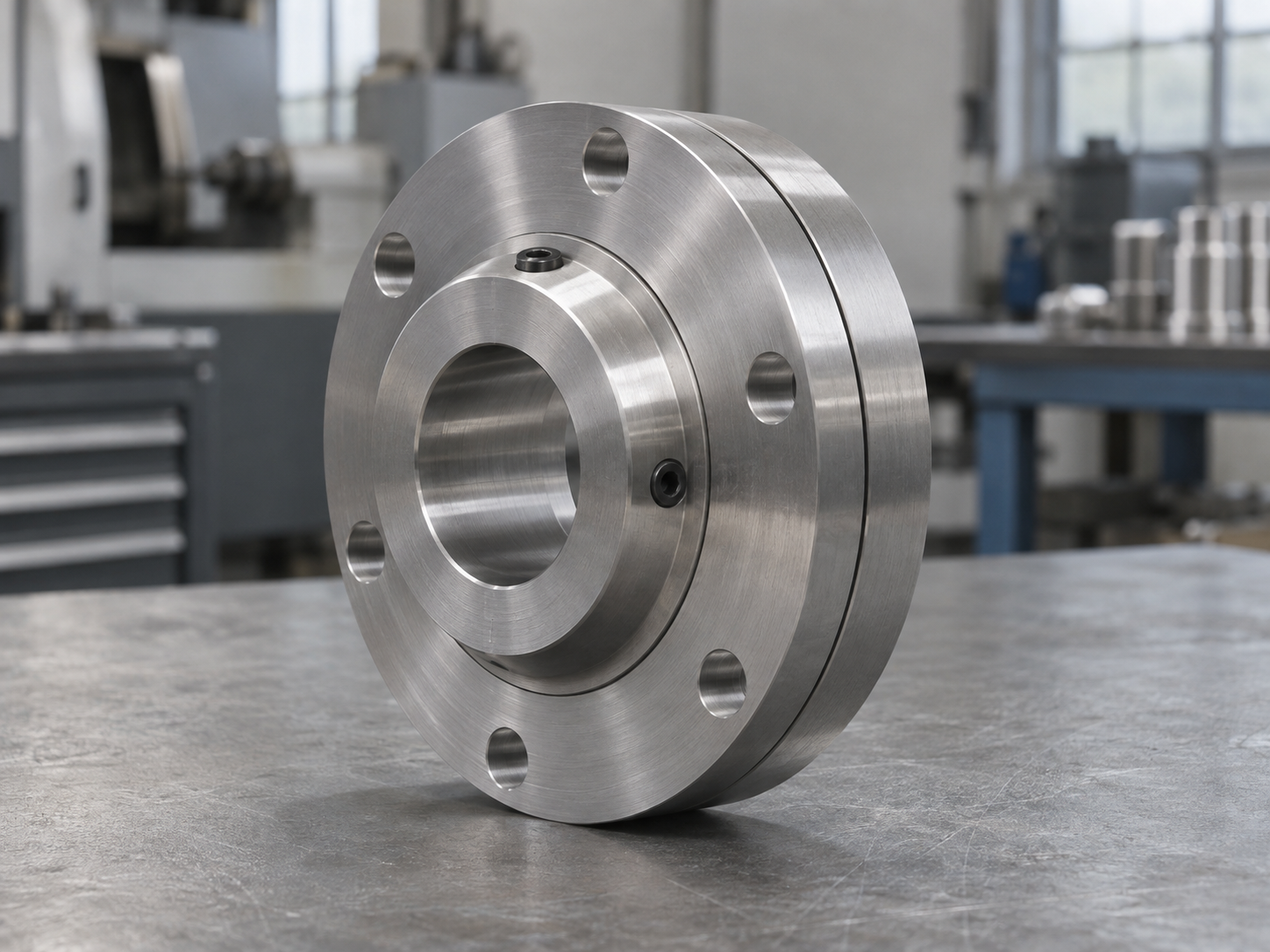
Parts requiring accurate weld locations and uniform joints.
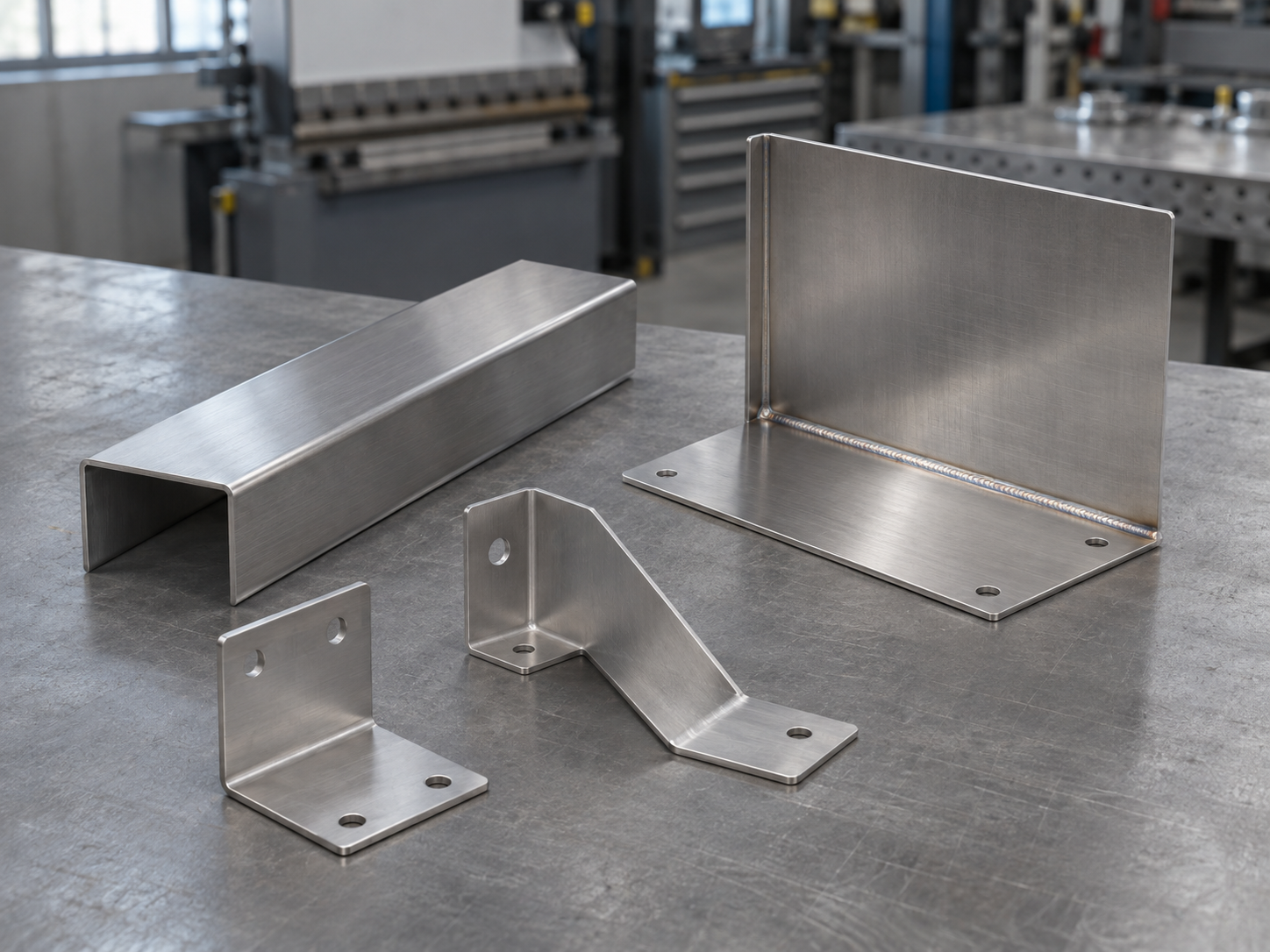
Sheet-metal assemblies where heat and distortion need careful control.
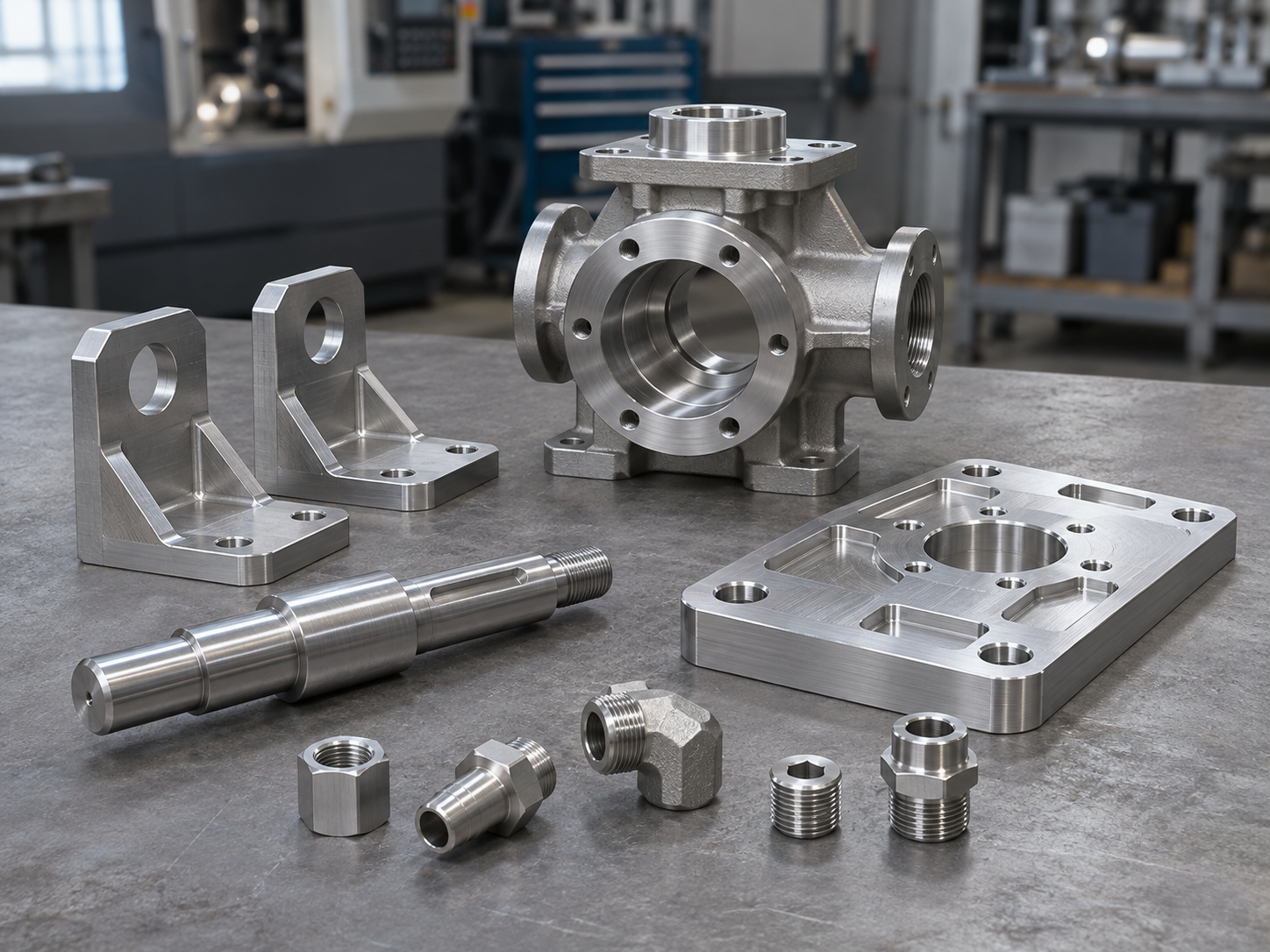
Mechanical and equipment parts requiring controlled joining processes.